How to Perform Deadlift with Perfect Form (for Beginners)
- November 2, 2025
- Fitness influencer
Focus on form, safety, and a step-by-step breakdown
The deadlift is one of the most powerful and effective exercises you can do. It builds strength, muscle, and confidence — all in one movement. Whether your goal is to get stronger, improve posture, or enhance athletic performance, learning how to deadlift correctly is key.
But because the deadlift is a full-body movement, form matters more than anything. Done right, it strengthens nearly every muscle in your body. Done wrong, it can lead to injuries.
So, let’s go step by step through how to deadlift with perfect form, the muscles it works, and common mistakes to avoid.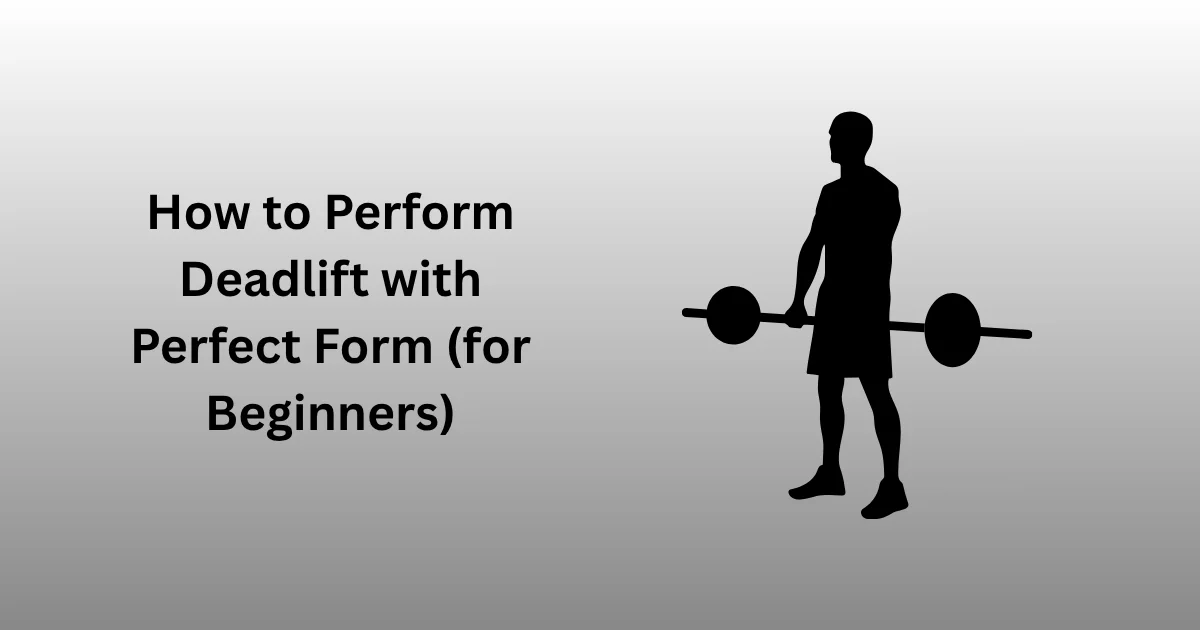
What Is a Deadlift?
The deadlift is a compound exercise that involves lifting a barbell (or weight) from the ground up to a standing position. It primarily targets your hamstrings, glutes, back, and core, but it also engages your grip, shoulders, and even your calves.
In short, it’s one of the best exercises for building total-body strength.
Muscles Worked in a Deadlift
- Glutes – the main drivers of the lift
- Hamstrings – help extend your hips
- Lower Back – stabilizes your spine
- Core – keeps your body braced and balanced
- Forearms and Grip – hold the bar securely
- Traps and Upper Back – keep the shoulders aligned
Step-by-Step Guide to a Perfect Deadlift
1: Set Up Your Stance
- Stand with your feet hip-width apart.
- The bar should be directly over the middle of your feet — about one inch from your shins.
- Point your toes slightly outward for balance.
2: Grip the Bar
- Bend at your hips and knees to reach the bar.
- Keep your back straight and chest up.
- Grab the bar just outside your knees with either a double overhand grip (both palms facing you) or a mixed grip (one palm facing up, one facing down).
3: Set Your Back and Engage Your Core
- Before lifting, pull your shoulder blades slightly back and down.
- Keep your spine neutral — no rounding or arching.
- Take a deep breath, brace your core, and feel the tension build in your body.
4: Lift the Bar
- Push through your heels and extend your hips and knees at the same time.
- Keep the bar close to your body as it moves upward.
- As you stand tall, squeeze your glutes at the top — but don’t lean back.
5: Lower the Bar with Control
- Push your hips back first, then bend your knees once the bar passes them.
- Lower the bar slowly back to the floor while maintaining a straight back.
- Reset your position before the next rep.
Common Deadlift Mistakes to Avoid
- Rounding the Back: This puts too much stress on your spine and increases the risk of injury. Keep your chest up and your spine neutral.
- Using Only the Back: The deadlift is a hip-dominant movement — drive through your legs, not your lower back.
- Jerking the Bar: Lift smoothly and in control; don’t yank the bar off the ground.
- Poor Grip: A weak grip can break your form. Strengthen your grip or try a mixed grip for heavier lifts.
- Leaning Back at the Top: Standing tall is enough; overextending your back can cause strain.
Safety Tips for Beginners
- Warm Up Properly: Mobilize your hips, hamstrings, and lower back before lifting.
- Start Light: Focus on technique before increasing weight.
- Use a Flat Sole Shoe: Avoid running shoes; they make you unstable.
- Maintain Tension: Never let your body go completely slack at the bottom.
- Listen to Your Body: If something feels painful or unnatural, stop and reassess your form.
Variations of the Deadlift
Once you’ve mastered the basic movement, you can try different variations:
- Sumo Deadlift: Wider stance, more emphasis on hips and inner thighs.
- Romanian Deadlift: Focuses on hamstrings and glutes, with less knee bend.
- Trap Bar Deadlift: Easier on the lower back and great for beginners.
Conclusion
The deadlift is one of the best exercises for building strength and confidence — but it demands respect. Learning proper form early will protect you from injuries and help you lift more efficiently over time.
Start light, focus on form, and stay consistent. As your strength grows, so will your confidence and control over the bar.
Remember, the goal isn’t just to lift heavy — it’s to lift smart.
More from our blog
See all posts


Recent Posts
- Why Sleep Is the Secret Weapon for Muscle Recovery November 8, 2025
- Push, Pull, Legs Split Explained (With Example Routines) November 8, 2025
- Best Physique for Men: What It Really Means and How to Achieve It November 8, 2025
Pingback: understanding prescription antibiotics
Pingback: sildenafil pharmacokinetic profile
Pingback: Sildenafil vs Avanafil Comparison Summary
Pingback: Sildenafil PD Reference
Pingback: Alcohol and Sildenafil Onset
Pingback: amoxicillin adverse event list
Pingback: orlistat stomach side effects
Pingback: medical review board
Pingback: orlistat mechanism of action
Pingback: avanafil safe online strategy
Pingback: minoxidil foam vs liquid scalp comfort
Pingback: minoxidil core information
Pingback: minoxidil cause headaches
Pingback: semaglutide fk
Pingback: sémaglutide sans ordonnance
Pingback: how much semaglutide for weight loss reddit
Pingback: priligy usa reddit
Pingback: Push, Pull, Legs Split Explained (With Example Routines) - Maurya Fitness
Pingback: Why Sleep Is the Secret Weapon for Muscle Recovery - Maurya Fitness
Pingback: Cardio vs. Weight Training: Which Is Better for a Lean Body? - Maurya Fitness
Pingback: How to Improve Mind-Muscle Connection During Workouts - Maurya Fitness