
If you’ve ever gone through a workout and felt like you were just moving weights instead of actually feeling your muscles work, you’re not alone.
That missing piece is what trainers call the mind-muscle connection — the ability to truly engage and control the muscle you’re training.
It’s not just a fitness buzzword.
Developing a strong mind-muscle connection can completely change how your workouts feel — and how effective they are.
Let’s break down what it really means, why it matters, and how to build it.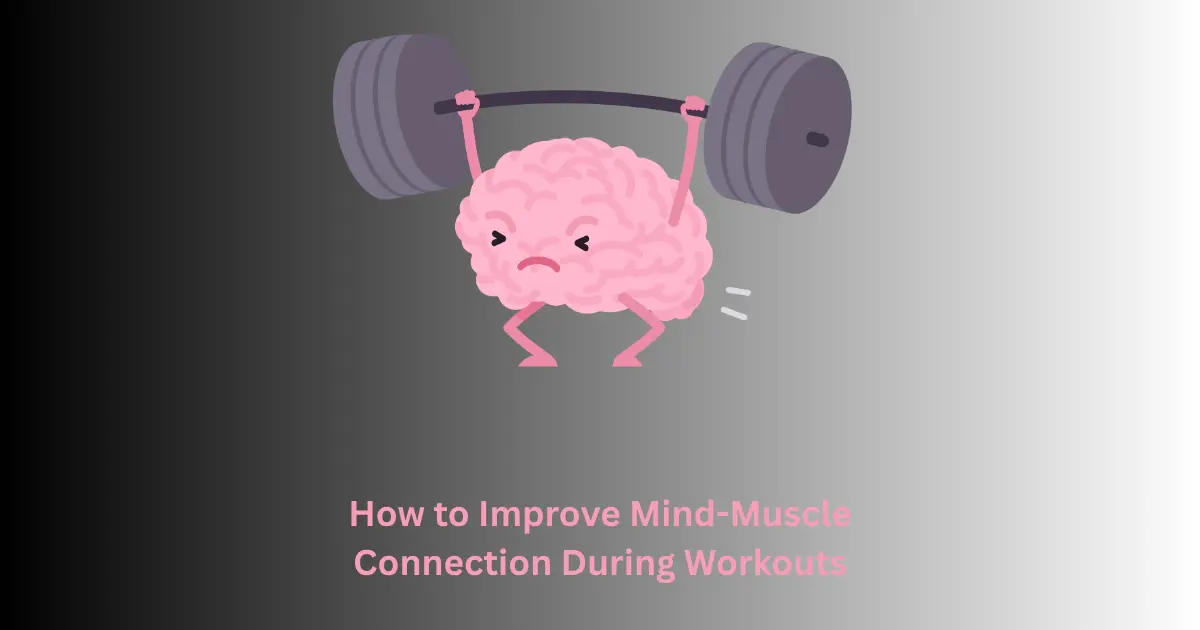
What Is the Mind-Muscle Connection?
The mind-muscle connection is about focus and awareness.
It’s the ability to consciously contract the specific muscle you’re targeting, instead of letting other muscles take over the movement.
For example, when you do bicep curls, are you really feeling your biceps tighten and stretch — or are you just swinging the dumbbell up and down?
That difference determines whether you’re training effectively or just going through the motions.
When you build that connection, your workouts become more intentional.
You stop chasing heavier weights and start chasing better control, tension, and form — the real keys to muscle growth.
Why It Matters
Muscle growth isn’t only about how heavy you lift; it’s about how well you can activate the right muscles.
If you can’t feel the muscle working, you’re not getting the most out of your reps.
Improving your mind-muscle connection helps you:
- Activate more muscle fibers in every rep
- Reduce the risk of injury by improving control
- Increase efficiency, especially when lifting moderate weight
- Build better symmetry and balance across your body
It’s what separates someone who trains with purpose from someone who just moves weights around.
How to Strengthen Your Mind-Muscle Connection
Here are practical steps you can use starting today:
1. Slow Down Your Reps
The easiest and most effective way to build awareness is by slowing your movement down.
Don’t rush through your sets. Take time to feel the muscle contract and release.
Example:
If you’re doing a chest press, focus on lowering the weight slowly, keeping tension on your chest the whole way down.
Controlled reps allow your brain to “find” the muscle and keep it engaged throughout the exercise.
2. Focus on the Target Muscle
Before each set, take a second to remind yourself which muscle you’re about to train.
Visualize it working.
For example, when doing lat pulldowns, think about driving your elbows down and squeezing your lats — not just pulling the bar to your chest.
That mental focus keeps your effort where it needs to be.
3. Use Lighter Weights (Temporarily)
Going too heavy too soon often shifts the work to other muscles or momentum.
Using a lighter weight gives you control, balance, and the ability to feel the muscle stretch and contract.
Once you can maintain that connection with perfect form, then start increasing the weight gradually.
4.Add Pauses or Holds
Pause for one or two seconds at the peak of each rep to feel the muscle fully contract.
This technique, called “isometric tension,” helps you stay connected to the movement and builds better control.
For example, in a squat, pause slightly at the bottom and consciously push through your quads and glutes to rise.
5. Limit Distractions
Your focus matters just as much as your form.
Put your phone away, avoid unnecessary conversations, and tune in to what your body is doing.
Even a short 45-minute session can be highly productive if your attention is locked in on every rep.
6. Warm Up the Right Way
A good warm-up isn’t just about raising your heart rate. It’s about waking up the muscles you’re about to use.
Do a few light sets or isolation exercises before your main lifts.
For example, do a few light cable flys before bench pressing. This primes your chest muscles and makes it easier to “feel” them during heavier sets.
7. Practice Mindful Breathing
Breathing and focus go hand in hand.
Inhale on the stretch, exhale on the contraction.
That rhythm keeps you centered and connected throughout your workout.
It also improves oxygen flow, endurance, and concentration.
How to Know It’s Working
You’ll know you’re developing a better mind-muscle connection when:
- You feel the target muscle burning or tightening during sets
- You can isolate muscles more easily
- You feel less strain on joints or secondary muscles
- Your form and control naturally improve
It won’t happen overnight — but with consistent practice, you’ll start noticing the difference in just a few weeks.
Conclusion
Building a mind-muscle connection isn’t about lifting heavier or doing more reps.
It’s about training with intention.
When you learn to control and feel every movement, your workouts become more powerful — and your results follow.
So next time you train, slow down.
Pay attention to the muscle you’re targeting.
Make every rep count.
Because the stronger your mind-muscle connection, the stronger your body becomes.
More from our blog
See all posts



Recent Posts
- Why Sleep Is the Secret Weapon for Muscle Recovery November 8, 2025
- Push, Pull, Legs Split Explained (With Example Routines) November 8, 2025
- Best Physique for Men: What It Really Means and How to Achieve It November 8, 2025
Pingback: guide to sildenafil vs tadalafil
Pingback: online tadalafil guide
Pingback: augmentin vs amoxicillin resistance
Pingback: amoxicillin drug information
Pingback: orlistat meal interaction
Pingback: vardenafil risk alerts
Pingback: vardenafil 20 mg strength
Pingback: minoxidil mechanism absorption link
Pingback: minoxidil 2% vs 5% potency comparison
Pingback: ketoconazole approved uses
Pingback: ketoconazole shampoo for Malassezia
Pingback: flagyl 500 mg tablet price
Pingback: propecia online rezept