Whey protein has become one of the most popular supplements in the fitness world — and for good reason. It’s easy to use, quick to digest, and proven to help build muscle, improve recovery, and even support weight loss.
But to really understand how whey protein impacts your body, it’s important to know what it is, how it works, and the different types available.
Let’s break it all down.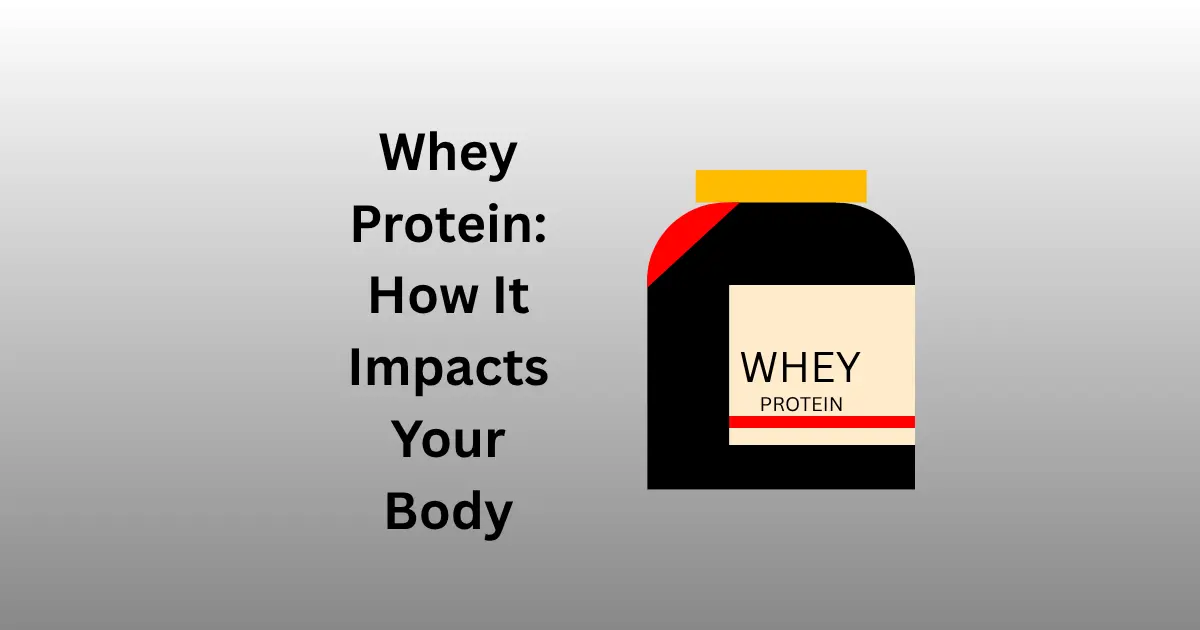
What Is Whey Protein?
Whey protein comes from milk. When milk is turned into cheese, the liquid that separates from the curds is called whey. This liquid is then processed, filtered, and dried into a powder — the protein supplement many people use after workouts.
Whey is considered a complete protein, meaning it contains all nine essential amino acids your body can’t produce on its own. It’s also digested and absorbed quickly, which makes it ideal for post-workout nutrition.
Types of Whey Protein
Not all whey protein powders are the same. There are three main types, and each has slightly different benefits depending on your goals and digestion.
Whey Protein concentrate (WPC)
- Contains about 70–80% protein, with some fats and carbohydrates.
- Has a creamy texture and richer taste due to the small amount of lactose and fat.
- It’s the most affordable type and works well for most people.
Best for: Beginners, general fitness, and those who tolerate dairy well.
2. Whey Protein Isolate (WPI)
- Contains 90% or more protein with very little lactose or fat.
- It’s processed more thoroughly, which removes most of the carbohydrates and lactose.
- It’s faster to digest and great for people who are sensitive to dairy.
Best for: Those focused on muscle gain, fat loss, or lactose-sensitive individuals.
3. Whey Protein Hydrolysate (WPH)
- Pre-digested form of whey, meaning it’s broken down into smaller peptides for faster absorption.
- Often used in medical nutrition or by athletes needing quick recovery.
- Usually more expensive and may have a slightly bitter taste.
Best for: Advanced athletes or people needing rapid muscle recovery.
How Whey Protein Impacts Your Body
1. Builds and Repairs Muscles
During exercise, tiny muscle fibers tear and need protein to repair and grow stronger. Whey provides the amino acids (especially leucine) that trigger muscle growth and speed up recovery.
2. Supports Fat Loss
Protein keeps you feeling full for longer, helping reduce cravings and calorie intake. Whey also preserves lean muscle while you’re losing fat, leading to a more toned body.
3. Boosts Recovery
After a workout, your body needs quick nutrients to refuel. Whey’s fast absorption makes it perfect for post-exercise recovery, reducing muscle soreness and fatigue.
4. Strengthens the Immune System
Whey contains components like lactoferrin and immunoglobulins, which help support immune health and protect against stress caused by intense training.
5. Improves Overall Nutrition
If you struggle to get enough protein from food, whey is an easy and efficient solution. Adding it to smoothies, oats, or even baking can help you meet your daily protein goals.
Are There Any Downsides?
Whey protein is generally safe for most people. However, those who are lactose intolerant may experience bloating or discomfort, especially with whey concentrate. Choosing whey isolate or plant-based alternatives can solve that issue.
And remember — whey protein is a supplement, not a substitute for real food. It should complement a balanced diet, not replace it.
Conclusion
Whey protein is one of the most effective and well-researched supplements. It supports muscle growth, improves recovery, helps with fat loss, and promotes overall health.
If you’re looking to include it in your routine:
- Whey Concentrate is great for everyday use.
- Whey Isolate is ideal for lean goals or lactose sensitivity.
- Whey Hydrolysate suits those who need the fastest absorption possible.
No matter which one you choose, combine it with a solid diet, proper training, and enough rest — and you’ll see the results over time.
More from our blog
See all posts

Recent Posts
- Why Sleep Is the Secret Weapon for Muscle Recovery November 8, 2025
- Push, Pull, Legs Split Explained (With Example Routines) November 8, 2025
- Best Physique for Men: What It Really Means and How to Achieve It November 8, 2025
Pingback: guide to tadalafil for erectile dysfunction
Pingback: sildenafil explained in plain language
Pingback: conditions sildenafil can be prescribed for
Pingback: PK and PD Variability
Pingback: otitis media ent symptoms
Pingback: bronchitis fever
Pingback: vardenafil fatty food effects
Pingback: vardenafil 10 mg guide
Pingback: sildenafil sickle cell risk
Pingback: minoxidil duration comprehensive guide
Pingback: ivermectin PK scientific overview
Pingback: ivermectin clinical analysis
Pingback: ketoconazole moa
Pingback: does bupropion work for depression
Pingback: cialis costco mexico
Pingback: doxycycline treat e coli uti
Pingback: doxycycline for chest pain
Pingback: vardenafil sildenafil molecule
Pingback: topiramate 25 mg tablet
Pingback: semaglutide dosage chart units
Pingback: revatio tablet price
Pingback: alternative to imodium
Pingback: vardenafil chewable
Pingback: pancrelipase dose
Pingback: cenforce sildenafil 150mg
Pingback: cenforce 50
Pingback: The Truth About Supplements: Which 3 Are Worth Your Money (and Which Aren’t) - Maurya Fitness